Why Did Wall Art Become a Viable E-commerce Business? A Founder’s Analysis
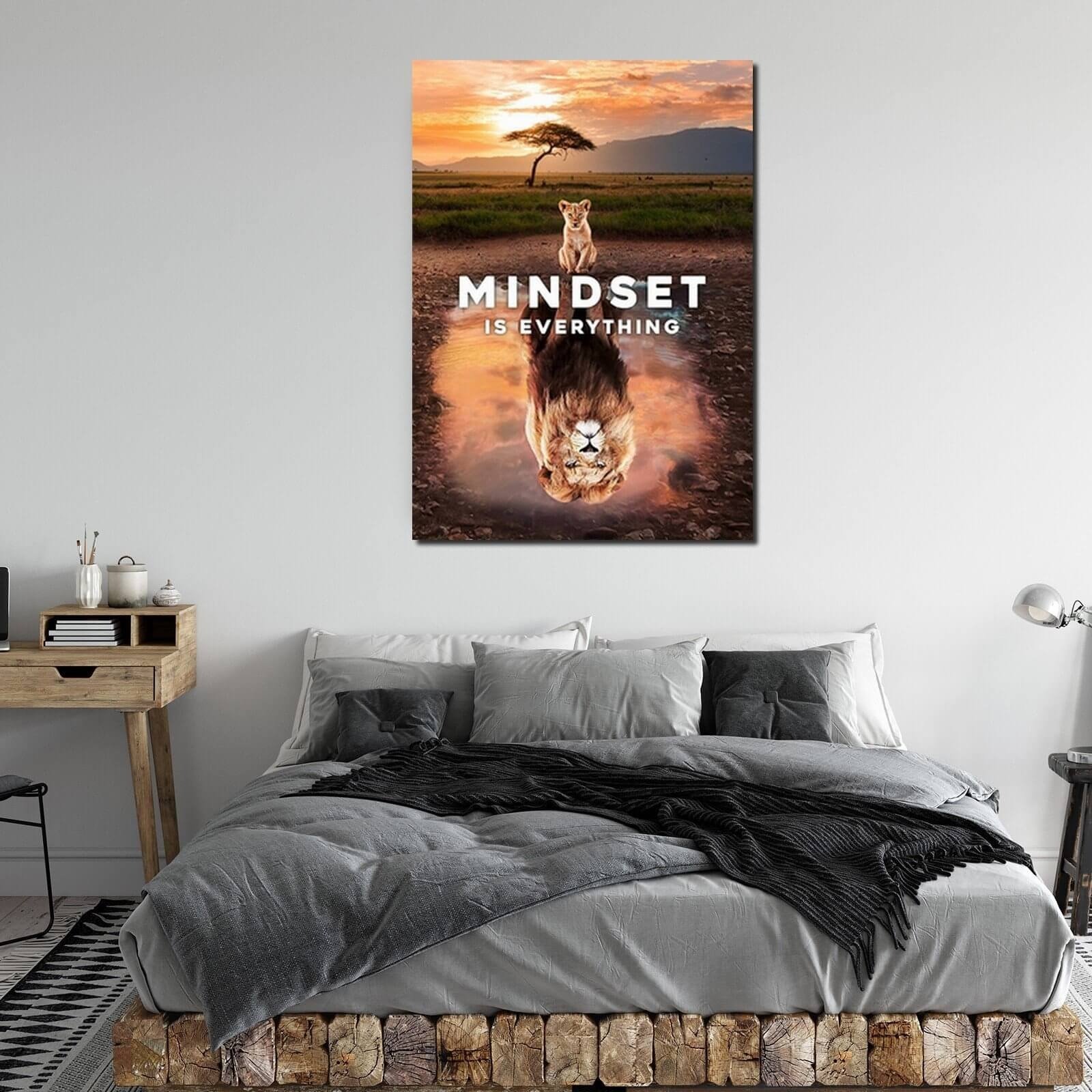
Fifteen years ago, buying something for your wall meant walking into a store, a gallery, or a big-box home retailer. Today a substantial share of those purchases happens online, sight unseen. That shift created a market few people saw coming.
Jean-Christophe Thery, founder of MusaArtGallery, has operated in it since the beginning. Here’s his read on the economics that make it attractive — and the ones that make it treacherous.
Demand structurally tied to housing
Wall art demand tracks housing cycles: moves, renovations, life changes. These are moments when a décor budget unlocks and urgency is genuine — an empty wall is visible every single day.
Two developments amplified it. Remote work turned neutral rooms into spaces where people spend entire days, and where the visual environment matters. And the culture of photographing interiors turned décor from a private detail into a topic of conversation.
Production economics that changed shape
The decisive factor is technical. Print-on-demand canvas removed the industry’s historic constraint: inventory.
Previously, offering three hundred pieces in five sizes meant tying up fifteen hundred physical units. Now each order triggers a single production run. A catalogue can therefore reach several thousand pieces with no capital locked up — which is why a popular art selection can sit alongside extremely narrow niches at no extra cost.
The trade-off is a higher unit cost than mass production. So the model only works with a healthy average order value — which rules out low-price strategies from the start.
Three real economic advantages
Low return rates. Unlike apparel, there’s no sizing problem. The buyer picks the dimensions; nothing arrives that doesn’t fit.
Gentle seasonality. There are peaks — year-end, moving season — but the market stays active year-round, which stabilises cash flow.
High perceived value. Artwork has no public reference price. Unlike a standardised product, it isn’t comparable to the cent across five merchants.
See also: Protecting Your Home with Reliable Electrical Services
Three traps that eliminate most entrants
The directionless catalogue. Stacking thousands of files doesn’t make a store. Without aesthetic coherence, no collection becomes recognisable and SEO never takes off.
Neglecting lifestyle imagery. A file shown on a white background doesn’t sell. Buyers don’t think in “images,” they think in “walls.” Placement in a real interior isn’t a marketing extra — it is the product.
Legal exposure. The most expensive trap by far. Licensed characters, brand logos, protected works: plenty of stores are built on references they have no right to exploit, and vanish overnight.
Where the durable advantage sits
In this market the defensible asset is neither technology nor price. It’s curation — the ability to assemble coherent sets that a customer recognises as a point of view.
A visitor landing on a modern abstract art collection built with a genuine editorial line immediately feels the difference from a search engine dressed up as a shop. That perception is what triggers trust, and trust is what triggers purchase.