How to Choose Pet Vitamins and Supplements Without Guessing
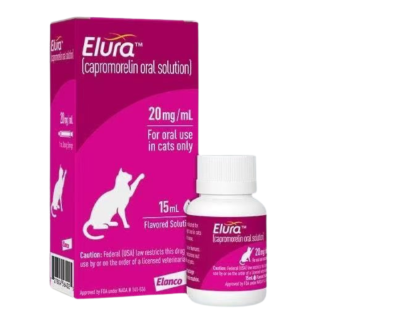
Walk into any pet store, or browse an online catalogue, and the supplement aisle can feel endless. There are powders, chews, capsules, oils, and liquids for joints, skin, digestion, kidneys, livers, and general wellness. For a caring owner, the temptation is to buy several at once, in the hope that something will help. That approach, however, can waste money, overload a pet with overlapping ingredients, and interfere with prescribed medicines. Choosing well is less about finding a miracle product and more about slowing down, understanding what your pet actually needs, and checking every choice with a veterinarian.
The first step has nothing to do with shopping. It starts with a question: why am I considering a supplement at all? A vet may have mentioned a nutritional gap, a pet may be eating a restricted diet, or an owner may simply want to support an ageing animal. Each reason leads to a different kind of product, and sometimes to no product at all. A healthy adult pet eating a complete, balanced diet may already receive the vitamins and minerals it needs, and adding more is not always better.
Start With the Veterinary Picture
Before buying anything, it helps to know what your vet has already found. Recent blood work, a confirmed diagnosis, current medicines, and the pet’s exact diet all shape which products are appropriate and which should be avoided. A supplement that suits one dog may be unsuitable for another, even if both animals look similar at home. Bring a list of everything your pet currently eats and takes to the appointment, so the vet can spot duplicates or interactions.
This conversation also protects you from marketing pressure. A product label may highlight a single study, a popular ingredient, or a dramatic testimonial, but your vet can place that information in context: what is known, what is uncertain, and whether the evidence applies to a pet like yours. If a vet advises against a product, ask why, and ask what alternatives, if any, would be worth considering. A good vet will explain the reasoning rather than simply saying yes or no.
See also: The Rise of Functional Nutrition in Modern Lifestyles
Reading a Label Like a Vet Would
Once a vet has agreed that a particular type of support is worth trying, the label becomes your main tool. Start with the ingredient list and the guaranteed analysis, if one is provided. Look for named ingredients rather than vague terms, and check the form of the product: a chew may be easier to give than a capsule for a fussy dog, while a powder mixed into food may suit a cat that refuses treats. Palatability matters, because a product your pet will not eat provides no support at all, however good its formula looks on paper.
Watch for Overlap and Hidden Extras
One of the most common mistakes is doubling up. A pet may already receive a joint ingredient in its food, a skin oil in a treat, and the same ingredient again in a supplement, without the owner realising. Adding the amounts together can exceed the level a vet intended. Similarly, some products contain flavourings, sugars, or extra calories that matter for overweight pets or those on restricted diets. Reading every label, including treats and dental chews, gives a fuller picture than looking at one product in isolation.
Quality Signals Worth Checking
Quality is harder to judge from a label alone, but a few signals help. Clear manufacturing information, a batch number, storage instructions, and an expiry date all suggest a more careful producer. Third-party testing, where an independent laboratory checks that the product contains what the label claims, is another positive sign. Be cautious about products that make disease-curing claims, rely entirely on testimonials, or refuse to disclose their full ingredient list.
Matching Products to Real Needs
Different life stages and conditions call for different kinds of support, and this is where a targeted range helps. A broad catalogue, such as pet vitamins and supplements, lets an owner see categories side by side — joint, skin, digestive, kidney, and liver support — rather than guessing from a single product page. Browsing by category can clarify what a product is actually for, and it can also reveal that a pet’s need fits one category better than another. Still, browsing is research, not a prescription, and the final choice should follow veterinary advice.
For pets on a restricted diet, treats deserve the same care as supplements. A dog managing kidney disease, for example, may need snacks that fit within the overall nutritional plan its vet has set, rather than ordinary treats that add unwanted protein, phosphorus, or sodium. Guidance on this topic, including how owners can think about suitable rewards, is available in treats for dogs with kidney disease. The key principle is consistency: treats count as part of the daily diet, not as free extras, and their total contribution should be discussed with the vet, especially for pets with medical conditions.
Introducing a Product Safely
When a new product is agreed, introduce it gradually and watch for changes. Start with one new item at a time, so that if your pet develops soft stools, itching, vomiting, or a loss of appetite, you can identify the likely cause. Keep a simple note of the start date, the product, and any observations over the first two weeks. This record is genuinely useful at follow-up appointments, because owners often forget exactly when a change began or what else changed at the same time.
When to Reconsider
Supplements are not a set-and-forget decision. A pet’s needs change with age, weight, diagnosis, and medicines, so a product that was appropriate last year may no longer be right. Review everything your pet takes at least once a year, or sooner if a new diagnosis or medicine appears. Ask your vet whether each item is still needed and whether any product can be stopped. This review often simplifies a routine and reduces the risk of unintended overlap.
Choosing pet supplements without guessing ultimately comes down to a simple sequence: understand the pet’s veterinary picture, choose a targeted product rather than a hopeful bundle, read the label for overlap and quality, introduce changes one at a time, and review regularly. That approach will not make every decision easy, but it will make each decision defensible — grounded in your pet’s actual needs, guided by professional advice, and free from the guesswork that the supplement aisle so often encourage