Gas vs Wood-Fired Pizza Ovens: Which One Fits Your Backyard?
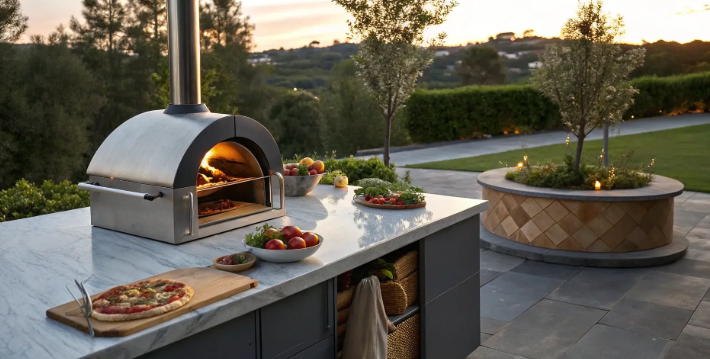
Choosing your first outdoor pizza oven can feel more complicated than it should be. Walk into the decision without research, and you’ll quickly find yourself comparing fuel types, heat-up times, maintenance routines, and price points, all before you’ve even baked your first pie. Among the most common debates home cooks face is gas versus wood-fired, two very different cooking experiences that appeal to different lifestyles.
This guide breaks down the real differences so you can decide which style actually fits how you cook, how much time you want to spend managing the oven, and what kind of backyard setup you’re working with.
Why This Decision Matters More Than You Think
A pizza oven isn’t just another backyard gadget, it’s often the centerpiece of outdoor entertaining. Once installed, it tends to get used far more frequently than a standard grill, especially during warmer months. That means the fuel type you choose will directly shape your weekly routine: how long you wait before cooking, how much cleanup is involved, and how much attention the oven needs while it’s running.
Getting this decision right upfront saves you from buyer’s remorse down the line.
See also: The Rise of Functional Nutrition in Modern Lifestyles
The Case for Wood-Fired Ovens
Wood-fired ovens are often associated with tradition and authenticity. There’s a certain appeal to using real wood, watching the flames, and producing that smoky char you associate with old-world pizzerias.
Pros:
- Distinct smoky flavor that’s hard to replicate
- Often reaches very high temperatures (900°F+) for authentic Neapolitan-style crusts
- A more hands-on, engaging cooking experience
Cons:
- Longer heat-up times, often 30-45 minutes
- Requires sourcing, storing, and managing wood or charcoal
- More cleanup due to ash and soot
- Steeper learning curve for consistent results
Wood-fired ovens tend to suit cooking enthusiasts who enjoy the process as much as the result, and who don’t mind investing extra time for that authentic flavor.
The Case for a Propane Pizza Oven
For homeowners who want speed, convenience, and predictable results, a propane pizza oven is usually the more practical choice. These ovens heat up quickly, typically within 15-20 minutes, and maintain consistent temperatures without the need for constant fuel management.
Pros:
- Fast heat-up time, ideal for weeknight use
- Consistent, easy-to-control temperature
- Minimal cleanup, no ash or soot
- More beginner-friendly overall
Cons:
- Slightly less smoky flavor compared to wood
- Requires a propane tank or gas line connection
For most households that want restaurant-quality pizza without dedicating a lot of time or effort to the process, propane ovens strike the right balance between performance and convenience.
What About Electric Pizza Ovens?
If your backyard setup leans more toward compact or indoor-adjacent cooking, it’s also worth considering an electric pizza oven. These are especially useful for smaller spaces, apartments with patios, or anyone who wants a countertop-friendly option that still delivers consistent, high-quality results without dealing with propane tanks or wood storage at all.
Electric ovens tend to offer:
- The simplest operation of the three options
- Reliable heating with minimal setup
- A good fit for indoor kitchens or compact outdoor spaces
While they may not hit the extreme temperatures wood-fired ovens can reach, they remain a strong choice for everyday convenience.
Comparing the Three Side by Side
| Feature | Wood-Fired | Propane (Gas) | Electric |
| Heat-up time | 30-45 min | 15-20 min | 10-15 min |
| Flavor profile | Smoky, traditional | Clean, consistent | Clean, consistent |
| Cleanup | High (ash/soot) | Low | Very low |
| Learning curve | Steeper | Beginner-friendly | Easiest |
| Best for | Cooking enthusiasts | Frequent home use | Small spaces/indoor use |
How to Decide What’s Right for Your Backyard
A few questions can help narrow down the right choice:
- How often will you actually use it? Frequent use favors gas or electric for convenience.
- How much space do you have? Compact patios often suit electric or gas better than large wood-fired setups.
- Do you enjoy the cooking process itself, or just the result? Wood-fired suits hands-on cooks; gas and electric suit those who want speed.
- How important is authentic smoky flavor to you? If it’s a top priority, wood-fired remains unmatched.
There’s no universally “better” option, only the one that matches your lifestyle and how you plan to use your outdoor kitchen.
Final Thoughts
Both wood-fired and gas ovens can produce excellent pizza, but the right choice comes down to how you want to cook, not just what you want to eat. If convenience, speed, and consistency matter most, a propane pizza oven is likely your best fit. If you enjoy the ritual of cooking and want that unmistakable smoky flavor, wood-fired remains the traditional favorite. And for smaller spaces or simpler setups, an electric pizza oven offers a practical middle ground.
FAQ
1. Which is faster, gas or wood-fired pizza ovens?
Gas ovens are significantly faster, typically reaching cooking temperature in 15-20 minutes compared to 30-45 minutes for wood-fired ovens.
2. Do gas pizza ovens taste different from wood-fired ones?
Yes, slightly. Wood-fired ovens produce a smokier flavor, while gas ovens offer a cleaner, more neutral taste that still produces excellent crust texture.
3. Is an electric pizza oven powerful enough for a good crust?
Yes, most electric models can reach high enough temperatures for a well-cooked crust, though they may not match the extreme heat of wood-fired ovens.
4. Which option requires the least maintenance?
Electric ovens generally require the least maintenance, followed closely by gas ovens. Wood-fired ovens need more regular cleaning due to ash and soot buildup.
5. Can beginners use a wood-fired oven successfully?
Yes, but it takes practice. Managing fire and temperature consistently has a learning curve compared to the more straightforward operation of gas or electric ovens.