How Virtual Try-On Technology Is Changing Fashion Shopping
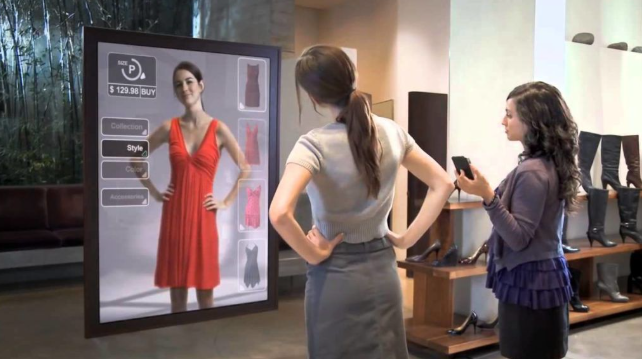
The biggest gap in online clothes shopping has always been the fitting room. A flat product photo can show you a color and a cut, but not how a jacket sits on your shoulders or whether a shirt suits your build. Virtual try-on technology is an attempt to close that gap, letting shoppers see a garment on a body, either their own or a model resembling them, before they spend any money.
The idea has moved from novelty to something major retailers and tech companies now actively build into their shopping experiences. This guide looks at how virtual try-on works, what it does well, where it still has limits, and how men can use it alongside more traditional checks like size charts and return policies.
What Virtual Try-On Actually Is
Virtual try-on is a broad label that covers a few different approaches:
- Photo-based try-on. You upload a photo of yourself, and software shows how a garment might look on you.
- Model-matching tools. You enter your height, build, or measurements, and the site shows the item on a model who resembles you.
- Augmented reality try-on. Your phone camera overlays an item onto a live image, which works especially well for accessories like watches and eyewear.
- Avatar-based fitting. A digital body is built from your measurements, and garments are draped over it to show fit and movement.
Each approach solves a slightly different problem, and not every retailer offers all of them.
See also: The Rise of Functional Nutrition in Modern Lifestyles
Why It Matters for Online Shopping
The appeal is straightforward. Online shoppers commonly order several options and return the ones that don’t work, which is frustrating for buyers and expensive for retailers. Seeing a garment on a body, even a simulated one, gives shoppers a clearer picture than a flat photo does, which can build confidence before checkout.
Retailers have taken notice. Large fashion and technology brands have rolled out try-on features in recent years, and industry reports increasingly treat AI-assisted shopping tools as a growing part of how people discover and buy clothes. Many of the numbers circulating about conversion and return improvements come from the companies selling the technology, so they’re best treated as promising rather than settled.
What Virtual Try-On Does Well
Showing Style and Proportion
The technology is strongest at answering the question “how will this look on me?” Seeing a jacket’s length, the way a collar frames the neck, or how a color works with your complexion is much easier when the garment is shown on a body rather than a hanger.
Reducing Guesswork With Accessories
Watches, glasses, and similar items work especially well with camera-based try-on, since the technology only needs to place a small object on a known part of the body.
Making Browsing More Interactive
For many shoppers, simply being able to test several options quickly makes browsing more engaging and encourages them to explore beyond their usual choices.
Where It Still Falls Short
Virtual try-on is useful, but it isn’t a substitute for the fitting room yet.
It doesn’t solve the sizing question. Showing how a garment looks is different from telling you which size to order. Fit still depends on accurate measurements and a good size chart, so try-on works best alongside sizing tools, not instead of them.
Fabric behavior is hard to simulate. Drape, weight, stiffness, and how a material moves are difficult to reproduce convincingly. This matters most for structured pieces, where the way the material holds its shape is a big part of how the garment looks.
Texture and finish are difficult to judge on a screen. Leather, wool, and heavily textured fabrics rarely look the same in a simulation as they do in person.
Results depend on the quality of your photo. Poor lighting, unusual angles, or bulky clothing in the source image can reduce accuracy.
What This Means for Buying Structured Outerwear
Jackets are a good example of a category where try-on helps but doesn’t finish the job. A simulation can show you whether the silhouette suits you, but details like shoulder fit, sleeve length, and how the material sits on your frame still need to be checked against real measurements. If you’re looking at a hooded leather jacket online, a try-on preview can help you judge the overall look, while the size chart and material description tell you how it will actually fit and wear.
Combining Virtual Try-On With Other Checks
The most reliable approach is to use try-on as one tool among several:
- Use try-on to judge style and proportion, deciding whether a cut and color suit you.
- Use a size chart and your own measurements to choose the size, ideally by comparing against a jacket you already own.
- Read the material description and reviews to understand how the piece will feel and age.
- Check the return policy as your safety net if the real garment differs from the preview.
Specialist retailers that provide detailed sizing and material information make this process easier, since they give you the concrete details that a visual preview can’t. The Leather Coats is an example of a retailer focused on leather outerwear where that kind of detail is central to the shopping experience.
Privacy and Data: A Point Worth Considering
Photo-based try-on tools usually ask you to upload images of yourself. Before using one, it’s worth checking how the retailer handles those images, whether they’re stored, and whether they’re shared with third parties. Reading the privacy policy takes a couple of minutes and helps you decide whether the convenience is worth it.
Where the Technology Is Heading
Virtual try-on is likely to keep improving, particularly in how well it drapes fabric and represents different body types. As the tools mature, they may become a standard part of the product page rather than an optional extra. Even so, the fundamentals of buying clothes online, accurate measurements, clear material information, and fair returns, are unlikely to disappear.
Common Mistakes When Using Virtual Try-On
- Treating the preview as proof of fit. It shows appearance, not necessarily the correct size.
- Using a poor-quality photo. Good lighting and a straight-on angle usually give better results.
- Ignoring material details. A preview can’t fully capture texture, weight, or drape.
- Skipping the return policy. It remains your best protection if the real item differs from the simulation.
FAQ
FAQ 1: What is virtual try-on technology in fashion?
It’s a set of tools that let shoppers see how clothing or accessories might look on a body, using photos, camera overlays, model matching, or digital avatars, before buying.
FAQ 2: Does virtual try-on tell me what size to order?
Not by itself. It mainly shows how a garment looks. Choosing the right size still depends on your measurements and the retailer’s size chart.
FAQ 3: How accurate is virtual try-on for jackets and structured clothing?
It can give a useful sense of style and proportion, but fabric drape, texture, and exact fit are harder to simulate, so it’s best used alongside measurements and material details.
FAQ 4: Is it safe to upload my photo to a try-on tool?
It depends on the retailer. Check the privacy policy to see how images are stored and used before uploading.
FAQ 5: Will virtual try-on replace fitting rooms?
Unlikely in the near term. It’s a helpful addition for online shopping, but physical try-ons still offer things a simulation can’t fully match, like feel and movement.
Final Thought
Virtual try-on is making online clothes shopping more visual and less speculative, especially when it comes to judging style and proportion. It works best as one part of a broader process that includes accurate measurements, clear material information, and a fair return policy. Used that way, it can make buying a jacket online feel a lot less like a gamble.